

Water Heater Making Banging Noises – What It Means and What to Do
If your water heater started making banging, popping, or rumbling noises out of nowhere, your gut is right something is off. That kind of racket does not just go away on its own, and ignoring it can turn a manageable fix into a full replacement.
The good news?
Most causes behind a noisy water heater are diagnosable, and many are fixable without replacing the unit entirely.
Here is what is going on inside your tank and what you should do about it today.
The Most Common Reason: Sediment Buildup
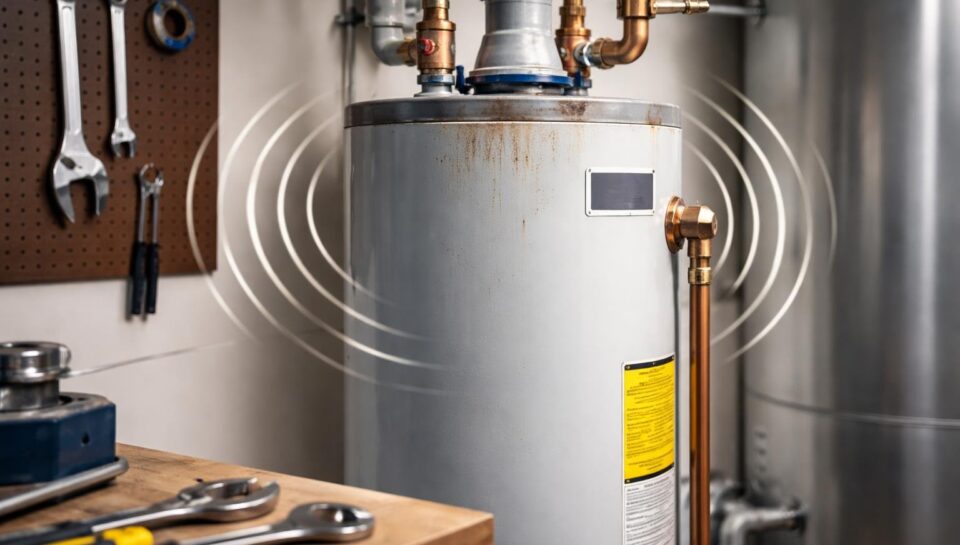
- This is the number one culprit in San Diego homes. Hard water is real here mineral deposits like calcium and magnesium settle at the bottom of your tank over time. When your burner fires up to heat the water, it is essentially pushing water through that crusty sediment layer. That trapped water pops, rumbles, and bangs as steam bubbles force their way out.
- The sound is unmistakable a deep, rolling rumble or a series of sharp pops that seem to come from the bottom of the unit. If that is what you are hearing, sediment is almost certainly the cause. A professional tank flush can clear it out. If buildup has been sitting for years, your heating element may already be damaged from overworking itself.
Hearing rumbling or popping from your water heater?
Do not wait for it to fail completely. Call PlumbTech at 1-800-388-8149 and we will diagnose the issue and give you an honest, upfront estimate. Learn about our water heater repair services.
Knocking and Banging: Loose Pipes or Thermal Expansion
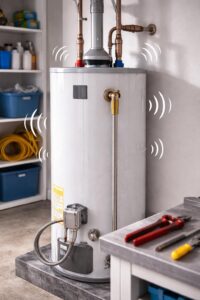
- If the noise sounds more like a knock or a bang — particularly when the water first turns on or shuts off — you may be dealing with a different issue altogether. Water hammer is a pressure surge that happens when flowing water is suddenly stopped. It sends a shockwave through your pipes that can sound like someone knocking on the wall from inside.
- Thermal expansion is another possibility. As cold water enters a closed plumbing system and heats up, it expands. Without a properly installed expansion tank, that pressure has nowhere to go — and it announces itself loud and clear. This is especially common in San Diego homes after a water pressure regulator has been installed.
- A licensed plumber can identify whether the knock is coming from the unit itself or from the surrounding pipe connections and address it correctly.
Ticking or Tapping: Usually Not an Emergency
A light ticking or tapping noise is typically the metal straps holding your pipes expanding and contracting with heat changes. This is considered normal in most cases. That said, if the ticking is new, more frequent than usual, or paired with any other symptom like fluctuating water temperature or visible corrosion on the unit, get it checked. Small warning signs tend to snowball fast with water heaters.
Screeching or High-Pitched Whining: Check the Inlet Valve
- A high-pitched whine or screech usually points to a partially closed inlet valve or a failing pressure relief valve. The pressure relief valve (T&P valve) is a safety device — when it starts whining, it is telling you the pressure or temperature inside the tank is climbing toward unsafe territory. This one should not wait.
- If you hear a screech coming from your unit, turn down the thermostat and call a plumber before doing anything else. Do not attempt to force the valve open yourself.
Strange sounds from your water heater are your home’s way of asking for help.
Email us at Plumbtech.pros@gmail.com or call 1-800-388-8149 to book a same-day diagnosis with PlumbTech’s licensed San Diego plumbers.
When to Repair vs. Replace
- Not every noisy water heater needs to be replaced. Sediment flushes, element replacements, and valve swaps are all routine fixes that restore performance for a fraction of replacement cost. But if your unit is more than 10 years old, has visible rust at the base, or has needed multiple repairs in the past year, the math often favors a new installation.
- Switching to a tankless water heater is worth considering at this stage. Tankless systems heat water on demand, take up less space, and have no tank to accumulate sediment in the first place. Many San Diego homeowners make the upgrade when their traditional unit starts acting up and they do not look back.
What to Do Right Now
- Start by noting exactly what the noise sounds like and when it happens during heating cycles, when water is running, or randomly. Check whether your pilot light is still on (for gas units) and whether you are getting consistent hot water. Look at the base of the unit for any moisture or rust stains.
- Then call a licensed plumber. Water heater issues rarely improve on their own, and a unit that is failing under pressure is a safety concern, not just an inconvenience. The licensed team at PlumbTech handles water heater repair and installation across San Diego with transparent pricing and no surprises on the invoice.
- We also offer drain cleaning, slab leak detection, gas line repair, and a full range of residential plumbing services throughout the San Diego area.
Do not let a noisy water heater turn into a flooded garage.
Call PlumbTech at 1-800-388-8149, email Plumbtech.pros@gmail.com, or contact us online to schedule your water heater inspection today.
Frequently Asked Questions
Is a banging water heater dangerous?
- It depends on the cause. Sediment buildup and water hammer are common and manageable but should still be addressed. A screeching or whining sound from the pressure relief valve is a higher-priority situation that warrants an immediate call to a licensed plumber.
Can I flush the sediment out of my water heater myself?
- Technically yes, but it is easy to make things worse — especially if sediment has hardened or the drain valve is corroded. A professional flush is faster, safer, and comes with a full inspection of the unit at the same time.
How long do water heaters last in San Diego?
- Most traditional tank water heaters last 8 to 12 years in San Diego. Hard water accelerates sediment buildup, which shortens that lifespan. Tankless systems generally last longer with proper maintenance.
What does sediment in a water heater actually sound like?
- Most homeowners describe it as a deep rumbling, popping, or crackling noise — similar to the sound of something boiling over. It usually comes from the bottom of the unit during a heating cycle.
Should I turn off my water heater if it is making noise?
- If the noise is accompanied by a drop in hot water pressure, visible leaks, or a high-pitched whining from the relief valve, yes shut the unit down and call a plumber. For isolated rumbling or popping without other symptoms, you can leave it running but should get it inspected promptly.